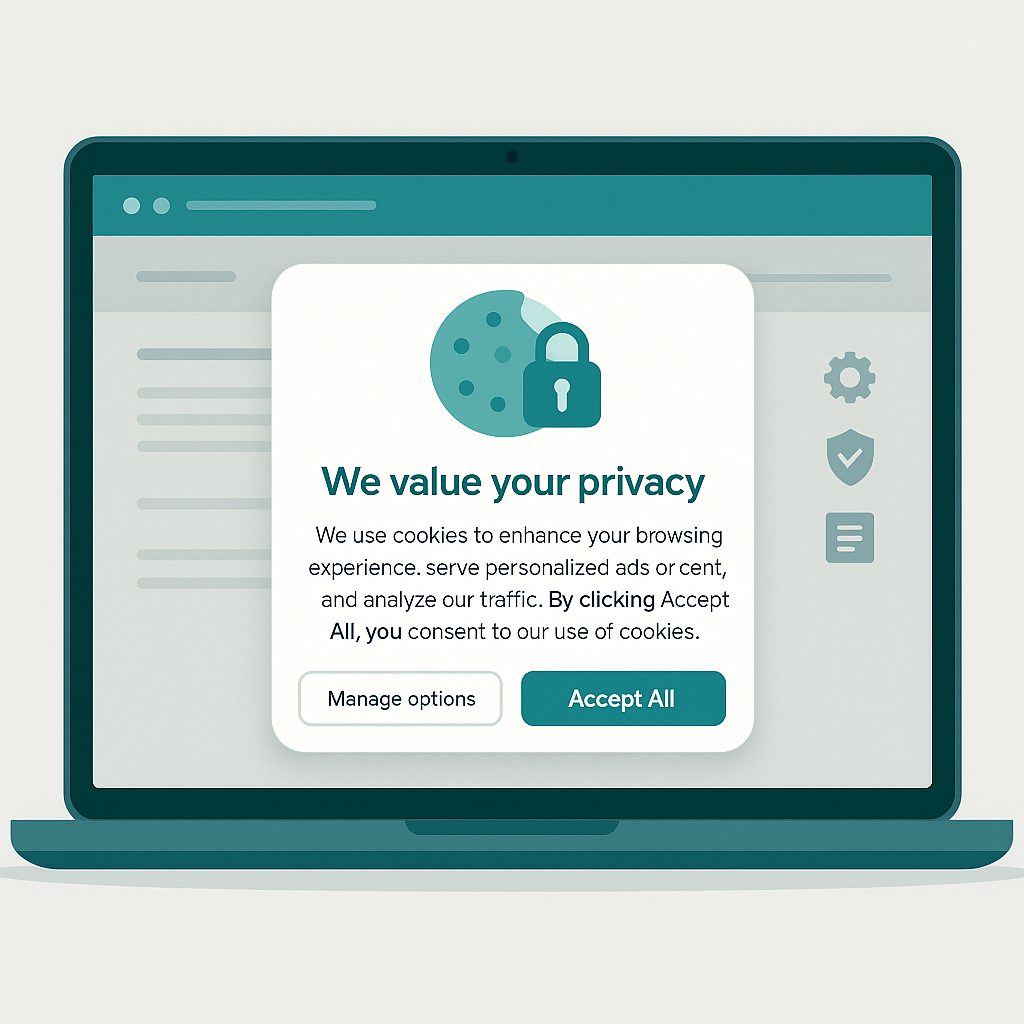
As the digital ecosystem matures, consumers are demanding more transparency and control over how their data is collected and used. Major shifts are underway: Google is phasing out third-party cookies, browsers like Safari and Firefox already block them, and global regulations like GDPR, CCPA, and South Africa’s POPIA are enforcing stricter compliance measures.
Marketers who once relied heavily on cookies for behavioural targeting now face a critical turning point. The solution? A shift from passive tracking to active consent, from third-party data to first-party and zero-party strategies.
What’s Changing in Digital Privacy:
- Third-Party Cookies are Disappearing: Chrome (which has ~65% market share) will block them completely by the end of 2025.
- Regulations are Stricter: Data processors must gain explicit consent and provide clear opt-out options.
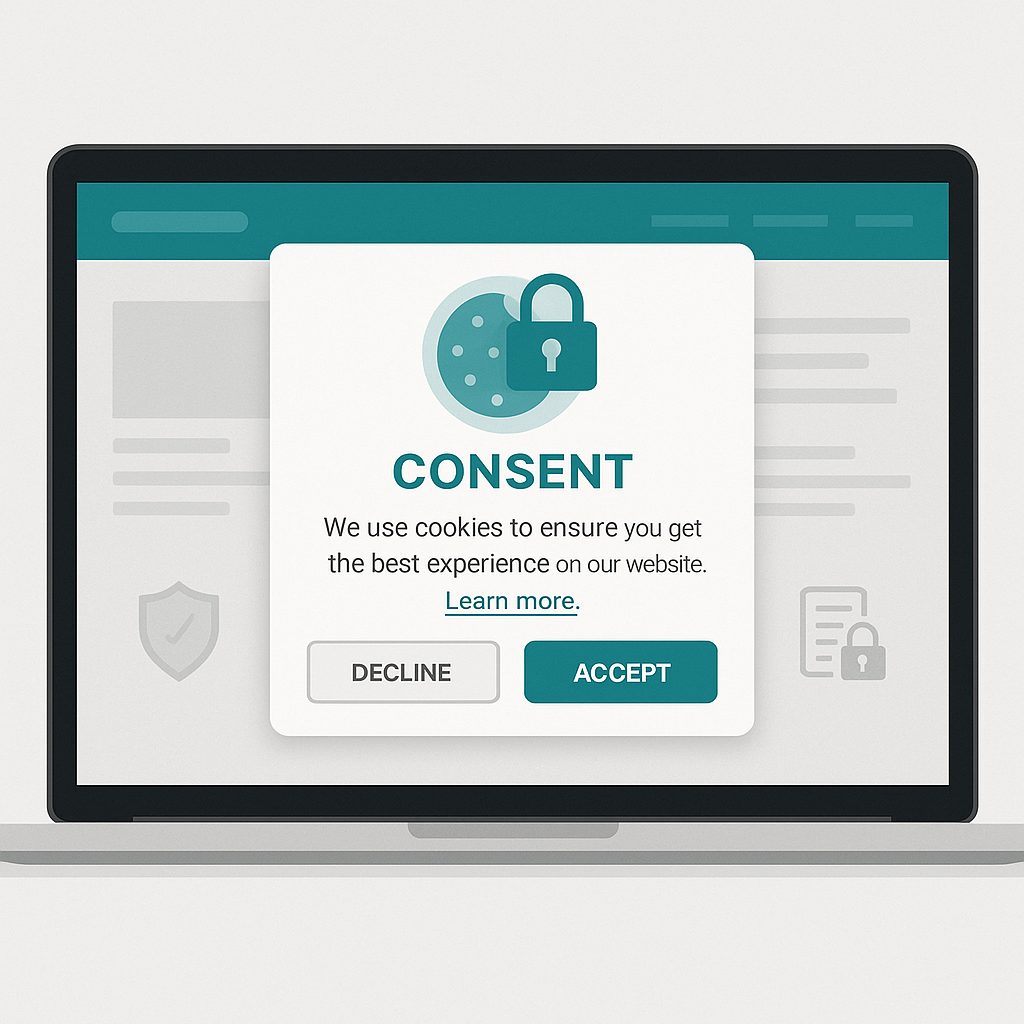
- Consent Management is Key: You must ask for, track, and respect user preferences.
What Marketers Should Do Now:
- Build a First-Party Data Strategy: Collect data directly through website visits, email sign-ups, and purchase history.
- Invest in Consent Management Platforms (CMPs): Tools like OneTrust or Cookiebot make it easier to comply.
- Create Valuable Exchanges: Offer something useful (eBooks, discounts, quizzes) in return for customer data.
- Implement Server-Side Tagging: This keeps your analytics compliant while preserving data accuracy.
Zero-Party Data: The New Goldmine
Unlike first-party data, zero-party data is provided directly by users. Think quiz responses, preference selections, or chatbot answers.
- Examples of Zero-Party Data:
- Favourite product types
- Shopping frequency
- Personal style or dietary preferences
This data is more accurate—and legally safer—because it’s given willingly.
Case Studies of Brands Doing it Right:
- Sephora: Uses quizzes to collect beauty preferences, building a rich CRM for personalized marketing.
- Spotify: Offers tailored year-in-review content to collect behavior-based insights.
- Woolworths (ZA): Uses personalized offers in return for loyalty card data.
Key Benefits of Consent-Based Marketing:
- Greater Trust: Consumers know how and why their data is used.
- Better Segmentation: Data collected directly is more accurate and relevant.
- Future-Proof Compliance: Avoid lawsuits, fines, and PR disasters.
"Privacy isn’t a barrier to marketing—it’s a bridge to trust."
— Ann Handley
Tools to Explore:
- OneTrust, Cookiebot, Didomi for CMP
- Segment, Tealium for customer data platforms
- ConvertKit, Klaviyo for zero-party data collection through email
Privacy-first marketing isn’t a hurdle—it’s a competitive advantage. The brands that thrive in 2025 and beyond will be the ones that prioritize trust, transparency, and user control. By focusing on clean, consented data, marketers can build more sustainable and effective strategies.
Ready to embrace change and unlock the full potential of your marketing strategy? Then book a Discovery Call with our Founder, Lead Strategist and author of this article, Jeffrey de Visser.

Jeffrey de Visser is Nimbler’s Founder, Managing Director and Lead Strategist. Visit his LinkedIn profile to find out more.